
Cheap eSIM Deals That Slash Your Roaming Bills in Seconds
Why pay premium prices for data when a cheap eSIM gives you the same seamless connectivity for a fraction of the cost? Instead of hunting for physical SIM cards, you simply scan a QR code or download a profile, and your phone instantly connects to a local network at budget-friendly rates. This digital SIM works by letting you pick a low-cost data plan for your destination, then activating it right from your device—no trips to a store or waiting in line. With a cheap eSIM, you swap expensive roaming charges for flexible, pay-as-you-go options that keep your travel spending light and your connection steady.
What Does “Cheap eSIM” Actually Mean (and How Is It So Affordable)?
A “cheap eSIM” rarely means inferior coverage; it means you’re buying a data-only plan from a regional wholesaler, not a giant carrier with physical stores. These providers negotiate bulk rates for local networks and pass the savings to you, so you pay for megabytes, not marketing. The affordability comes from eliminating plastic cards, shipping logistics, and roaming partnerships—your phone simply swaps profiles digitally. You’re not paying for a brand; you’re paying for a pipe. Prices drop further because plans are short-term (7–30 days) and often capped at 4G/5G speeds, which is plenty for maps and messaging. The real trick is that you’re sharing the same towers as premium users, just without the customer-service overhead. Yet, “cheap” can mean zero voice minutes or a strict data allowance, so always check the fair-use policy. Ultimately, you get near-identical connectivity for a fraction of the cost.
Why the Price Is Lower Than a Physical SIM Card
An eSIM skips the entire physical supply chain—no plastic card, no packaging, no shipping, and no retail shelf space. That’s why the price drops: you’re paying for the data plan itself, not for a piece of hardware and the logistics behind it. Carriers also avoid the cost of printing and distributing SIMs, and they can activate you instantly through software, which cuts support overhead. Since there’s no inventory to stock, providers can offer plans at near-wholesale rates. Essentially, you’re buying a digital code, and that inherent efficiency is the main reason a cheap eSIM undercuts a physical SIM. The lack of physical production and distribution is the core cost difference, making it cheaper for both the provider and you.
Cheap eSIM pricing works because there’s no physical card to make, ship, or store—just pure data, sold directly to your phone.
What’s Really Included in a Budget-Friendly Data Plan
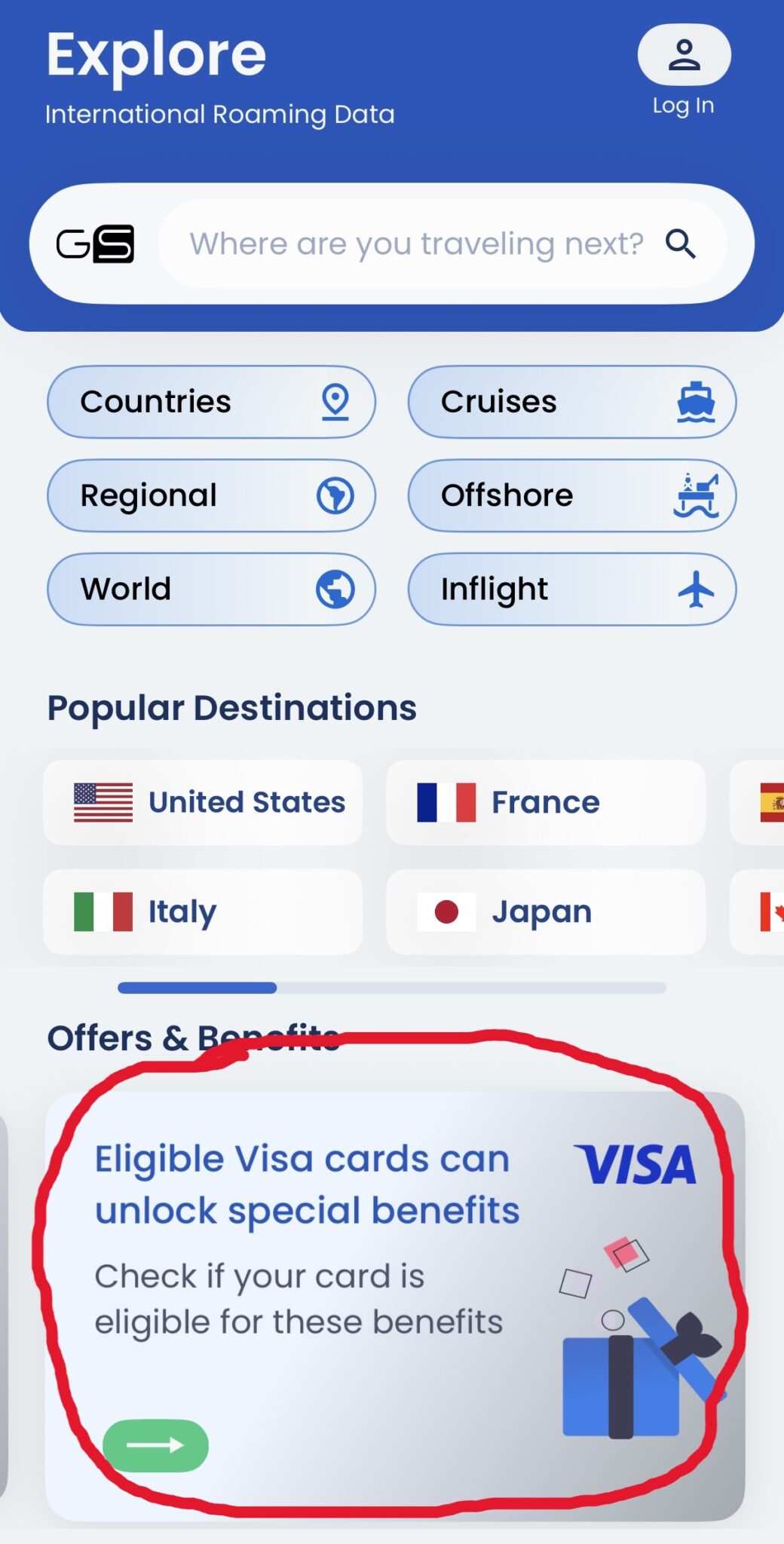
A budget-friendly eSIM data plan typically includes a fixed data allowance, such as 1GB to 5GB, valid for a set window like 7 or 30 days, with no hidden rollover or throttle clauses. What you pay for is strictly access to a local or regional network, often at 4G/LTE speeds, not 5G. Core inclusions are capped data, a hard expiry date, and basic IP-based connectivity, but rarely includes a phone number for calls or SMS. Tethering is sometimes permitted, though heavily rate-limited. Expect no customer support beyond email, no refunds for unused data, and zero extras like streaming bonuses or cloud storage—every megabyte is accounted for in the base price.
- A set data cap (e.g., 3GB) that stops or deprioritizes once exhausted.
- Network access on a single country or region, not global roaming.
- Validity tied to a calendar date, not activation duration.
- No voice minutes or dedicated SMS—data-only functionality only.
Are There Hidden Fees or Data Throttling to Watch For?
When assessing a cheap eSIM, scrutinize the fine print for **hidden fees and throttling risks**. Activation costs, top-up minimums, or charges for re-downloading the profile often surface post-purchase. More critically, data speed caps are common: a plan may advertise “unlimited” data but reduce throughput to 128 kbps after a small daily allowance, making maps and messaging nearly unusable. Always verify the fair-use policy’s threshold and whether any “full-speed” bucket applies. For example, a $3 regional plan might throttle after 500 MB, while a $10 plan offers 5 GB unthrottled. Read the provider’s speed-tier table before paying, as the cheapest option rarely sustains navigation or video calls.
Q: Are there hidden fees or data throttling with cheap eSIMs?
A: Yes—watch for separate connection fees, short validity windows that force re-purchase, and aggressive throttling after a small high-speed allowance. Always confirm the exact speed after quota exhaustion, not just the headline price.
How to Find the Lowest Prices Without Sacrificing Coverage
To score a cheap eSIM without ending up with dead zones, start by comparing plans on aggregator sites like esimdb or esimatic—they show live prices across multiple networks side-by-side. Filter by coverage map, not just gigabytes, and check the underlying carrier: a budget plan that rides on a major network like Orange or Telefónica often costs the same as a tiny reseller but holds signal far better. Look for “regional” rather than “global” packs—they slash cost per gig while still covering your actual stops. Also, grab a short 7-day plan to test real-world speeds before committing to a month. Q: Can I get a cheap eSIM with reliable coverage? A: Yes—pick a regional plan from a major network and verify its map first, skipping the flashy “unlimited” deals that throttle after 1GB. Finally, re-check prices 48 hours before departure; flash sales and promo codes drop costs 30–50% without changing the coverage tier.
Comparing Per-Gigabyte Costs Across Different Regions
When comparing per-gigabyte costs across different regions, treat each destination as a separate pricing zone rather than assuming a flat global rate. For example, a regional Europe plan might cost $1.20 per GB, while a single-country Japan plan could hit $3.50 per GB—yet a global plan covering both might blend to $2.10 per GB, which is only cheaper if you visit multiple zones. Always recalibrate your calculation by dividing the plan’s total price by the data allowance, then match that against your actual travel itinerary and usage duration. A 10 GB plan for $15 in Southeast Asia yields $1.50/GB, but buying two 5 GB country-specific eSIMs at $4 each gives $0.80/GB for the same total—so a region-based price audit, not just headline package fees, determines the true lowest cost. Use carrier comparison tools that filter by country and data volume to isolate per-gigabyte cost benchmarking across regions before purchase.
Local vs. Regional Plans: Which Saves You More Cash?
When chasing the cheapest eSIM data plans, a local plan beats a regional one if you stay put for more than three days—you’ll pay per-gigabyte rates up to 70% lower. However, a regional plan saves real cash if you hop across two or more borders, because buying separate locals for each country stacks activation fees and forces you to juggle multiple profiles. The math flips on longer trips: a regional plan’s flat fee for 10 GB across five countries outpaces five local 2 GB buys. So, map your itinerary first—single-country stays favor local, multi-stop sprints favor regional. Never https://baztel.co/ default to a broader zone “just in case.”
Using Price Comparison Tools and Apps for eSIM Deals

Price comparison tools like esimdb, esimgeek, and esimradar consolidate dozens of providers into single searchable tables, letting you filter by data allowance, validity, and region. Instead of visiting each carrier’s site, you sort by cost-per-gigabyte, which reveals that regional packages often undercut global ones by 30–50%. Apps such as Airalo’s “compare” mode or Holafly’s bundle churner let you toggle network tier (5G vs 4G) and local vs roaming, exposing hidden fees like top-up minimums or activation charges. For traveler-specific deals, Skyscanner’s eSIM tab cross-references your route against reseller inventory, flagging short-term promo codes. Always re-check the tool’s simulation engine with your exact travel dates, because price jumps occur for peak-season data. This method turns a chaotic market into a transparent price-per-day metric, ensuring you pay only for coverage you actually use. Using Price Comparison Tools and Apps for eSIM Deals is the most reliable way to spot temporary flash sales that carriers hide from direct search.
Comparison apps expose granular per-GB costs and promo codes, letting you lock in regional eSIM plans at up to half the price of direct-bought global packages without losing coverage quality.
Step-by-Step: Activating a Low-Cost eSIM on Your Phone
Activating a low-cost eSIM on your phone is a straightforward process that takes just a few minutes. First, purchase a cheap eSIM plan from a discount provider, ensuring your phone is unlocked and supports eSIM functionality. Next, check your email for a QR code or activation link from the provider, then open your device’s Settings, navigate to Cellular (or Mobile Data), and select “Add eSIM.” Scan the QR code or enter the SM-DP+ address manually, and label the plan (e.g., “Travel”) to distinguish it from your primary line. After confirming the plan’s activation, enable it as your default line for data if needed. Completion is marked by the signal bars appearing on your status bar.
Always download the cheap eSIM profile over Wi-Fi to avoid data usage errors during activation.
Finally, reboot your phone once if the network doesn’t connect immediately, and verify your data settings to finalize the low-cost plan.
Checking If Your Device Is Unlocked and eSIM-Compatible
Before purchasing a cheap eSIM, verify your phone is carrier-unlocked, as locked devices reject foreign network profiles. Check this by inserting a SIM from another provider; if it connects, you’re good. Next, confirm your exact model supports eSIM—many budget and older phones lack the hardware. Search your IMEI in the manufacturer’s spec database or dial `*#06#` to see if an EID number appears. An EID confirms built-in eSIM capability. This **quick eSIM compatibility check** prevents wasted money on an unusable data plan. Skipping this step is the #1 reason low-cost eSIM activations fail, so always confirm both unlock status and hardware support beforehand.

- Contact your carrier or use Settings to see if the SIM lock is disabled.
- Look for an « Add Cellular Plan » option in your phone’s settings—if absent, eSIM is unsupported.
- For iPhones, check Settings > General > About for a Digital SIM or EID entry.
Scanning the QR Code vs. Manual Installation – What’s Faster?
When activating a cheap eSIM, scanning the QR code is almost always faster than manual installation. You simply open your camera, point it at the code from your provider’s email, and tap the notification—the entire profile downloads in under a minute. Manual entry, by contrast, forces you to type a long SM-DP+ address and an activation code, a process that takes two to three times longer and risks typos. Follow this quick sequence: check your Wi-Fi, scan the QR, confirm the profile label, and finish in the carrier settings. The only time manual wins is if your camera fails or the QR is corrupted. For budget plans, QR saves you that frustrating setup delay.
Setting Up Data Roaming to Avoid Surprise Charges
Before you toss your SIM tray aside, dive into your phone’s cellular settings and flip on data roaming for your new eSIM. This toggle is your lifeline—without it, the eSIM’s data simply won’t connect abroad, even if you’ve already paid for a cheap eSIM plan. However, leaving it active permanently across your primary line is where bills spike, so discipline matters. Most travelers avoid surprise charges by turning roaming on only for the eSIM line and keeping the home SIM strictly for calls or SMS. Double-check your carrier’s “allowed networks” list, then run a quick speed test at the airport to confirm data flows through your roaming-ready eSIM profile before you rely on it for maps or messaging.
Smart Tips to Stretch a Budget eSIM Plan Even Further
To stretch a budget eSIM plan even further, start by downloading offline maps and critical apps before departure, avoiding costly data drains. Disable background app refresh and auto-updates, which silently consume your cheap eSIM’s allowance. Use Wi-Fi calling and messaging apps over hotel or café networks whenever possible, reserving cellular data for essential navigation or ride-hailing. Set a strict data cap in your phone settings, and monitor usage daily—most budget eSIM providers offer a dashboard, but your own tracker prevents surprises. Compress media in apps like WhatsApp or Telegram to shrink photo and video sizes, cutting transmission costs dramatically. Finally, turn off iMessage/FaceTime data for non-essential contacts, instead routing these texts through your plan’s included SMS or VoLTE minutes. These micro-habits turn a cheap eSIM into a surprisingly robust travel companion.
Choosing the Right APN Settings for Stable, High-Speed Data
Choosing the right APN settings directly dictates whether your budget eSIM delivers stable, high-speed data or frustratingly slow connectivity. Most cheap eSIM plans default to a generic APN, which often throttles throughput and increases latency. Manually entering the carrier-specific APN from your provider’s setup page prevents these bottlenecks, ensuring your device negotiates the correct data paths. For optimal performance, verify the APN type includes default, supl, and dun—omitting any can block tethering or MMS. After updating, reboot your device and run a speed test; if speeds remain unstable, toggle IPv4/IPv6 settings to match your carrier’s backbone. This targeted configuration eliminates most packet loss issues without requiring expensive plan upgrades.
Switching Between Multiple eSIM Profiles to Hunt for Cheaper Data
Switching between multiple eSIM profiles lets you compare live data rates across carriers without physical SIM swaps. Before traveling, install two or three budget eSIMs from different regional providers, then toggle profiles via your phone’s settings to check per-GB pricing in real time. Use this method to jump to a cheaper plan mid-trip if your current balance runs low or rates spike. Dynamic profile switching works best when you keep each eSIM’s expiration date and remaining data noted in a simple spreadsheet. However, switching too often can burn battery, so batch your rate checks to twice daily.
- Activate a new profile only after confirming the destination’s local network coverage map.
- Keep one profile as a “fallback” with 1–2 GB reserved for emergencies.
- Compare per-GB cost across profiles before each top-up, not just the absolute price.
- Disable auto-roaming on inactive profiles to avoid accidental background data charges.
Offline Maps, Messaging Apps, and Other Data-Saving Tactics
To stretch a cheap eSIM, pre-download offline maps in Google Maps or Maps.me while on Wi-Fi—this eliminates constant data drains. For messaging, switch WhatsApp, Telegram, or iMessage to “low data mode” and disable auto-downloading of photos and videos. Other data-saving tactics for budget eSIM users include turning off background app refresh, using browser extensions like Opera Mini’s compression, and caching music or podcasts beforehand. Also, set your email to fetch manually instead of push. These micro-habits keep your tiny data bucket alive for emergencies.
Q: Do offline maps still work if I have zero signal?
A: Yes! GPS itself uses no cellular data, so offline maps navigate perfectly—just download the region first, then pop your eSIM into airplane mode to savor every remaining megabyte.
Your Top 5 Questions About Affordable eSIM Options, Answered
Wondering if a cheap eSIM will actually work on your phone? First, check if your device is eSIM-compatible—most newer models are, but a quick settings search saves you from wasted money. Second, how do you avoid surprise fees? Always confirm the data package covers your destination country’s local networks, or you’ll pay roaming rates that erase any savings. Third, is the connection slower with budget plans? Not necessarily—coverage depends on the host carrier, not the price tag. Fourth, can you top up a cheap eSIM later? Many budget providers allow easy refills, unlike some locked ones. Finally, what’s the catch with unlimited plans? They often throttle speeds after a daily cap, so read the fine print before you buy.
Will a Low-Cost Plan Work in Every Country I Visit?
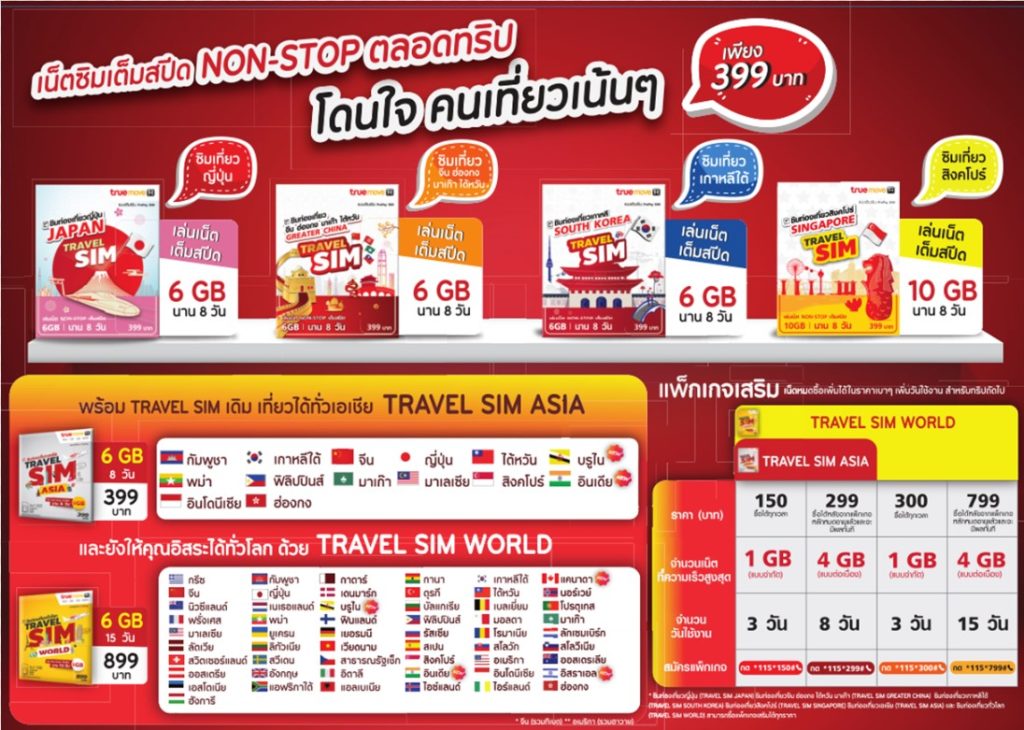
A low-cost plan won’t automatically work in every country you visit, because budget eSIMs often lock coverage to specific regions or partner networks. Before you buy, check the provider’s country list—a “global” cheap eSIM might exclude places like Japan or parts of Africa, leaving you stranded with no data. Coverage gaps are the real risk with cheap eSIMs, so match your itinerary against the plan’s zone map, not just the price tag. If you hop across borders, opt for a regional plan (e.g., Europe-wide) rather than a single-country deal, but verify that each stop is included. Even within a listed country, rural areas may fall back to slower 3G or no signal at all. For multi-destination trips, carry a backup physical SIM or a second eSIM from a different provider, and always download offline maps. A low-cost plan works only where the network says it does—so confirm before you land.
How Much Data Do I Really Need for a Weekend or a Month?
For a weekend, **1–2 GB of eSIM data** usually covers navigation, messaging, and light social scrolling—but skip video streaming or you’ll burn through it in hours. A month-long trip is a different beast: 5–10 GB works for average users checking maps daily and posting photos, while remote workers or binge-watchers should grab 15–20 GB to avoid mid-trip top-ups. Overestimating isn’t a luxury on a cheap eSIM—unused data vanishes at expiry. Underestimating means paying premium rates for emergency packets. Match your plan to your worst-case daily habit: multiply your heaviest day by the number of travel days, then round up slightly. That’s your real number.
| Duration | Light Use | Heavy Use |
|---|---|---|
| Weekend (2–3 days) | 1 GB | 3 GB |
| Month (30 days) | 5 GB | 20 GB |
Can I Top Up the Plan If I Run Out of Gigabytes Early?
Yes, topping up an eSIM before your data expires is almost always possible, provided the plan originator supports add-ons. For cheap eSIMs, this flexibility is critical, as budget data pools deplete faster under normal usage. You typically access the top-up through the provider’s app or dashboard, where you select a supplementary data package that extends your existing validity window. However, verify whether the top-up resets your billing cycle or simply adds a separate data bucket; the latter is more cost-effective for short-term needs. Crucially, top-up options vary by provider, so confirm the minimum reload size and whether unused gigabytes roll over after the top-up. This prevents you from paying for data you cannot use before the plan’s hard expiry date.
What Happens to My Remaining Data After the Plan Expires?
When your cheap eSIM plan hits its expiration date, any unused gigabytes don’t roll over—they vanish instantly, and the data balance resets to zero. Your eSIM profile itself stays on your device, but the network access shuts off until you purchase a new package. If you’re mid-download or streaming, the connection cuts at the exact billing boundary, so plan accordingly. Check the provider’s app before expiry to see your remaining allowance; some budget carriers offer a “top-up” window of 24 hours where you can add a new plan without re-downloading the eSIM, but leftover data is never carried forward.Unused data after eSIM expiration cannot be recovered, so monitor usage closely or buy smaller, renewable plans.
- Data zeroes out at the expiration timestamp, not at the end of the day.
- Your eSIM stays installed, but you must buy a new plan to regain connectivity.
- Some providers show a grace period for top-ups, but never for leftover data restoration.
Is It Possible to Get a Refund If My Trip Gets Canceled?
If your trip falls apart, getting a refund for a cheap eSIM depends entirely on the provider’s cancellation window, not the airline’s. Most budget eSIM brands offer a short grace period—typically 24 to 48 hours after purchase—for a full refund, even if you haven’t installed the plan. After that, the money is usually locked in, unless the provider explicitly covers trip interruptions. The trick is to check whether you bought a non-refundable data pack or a flexible one; some discount plans are priced lower precisely because they waive refund rights. To protect yourself, look for refundable eSIM coverage before paying, and always email support immediately if cancellation happens—some cheap providers issue store credit, not cash, so ask for the exact policy in writing.